
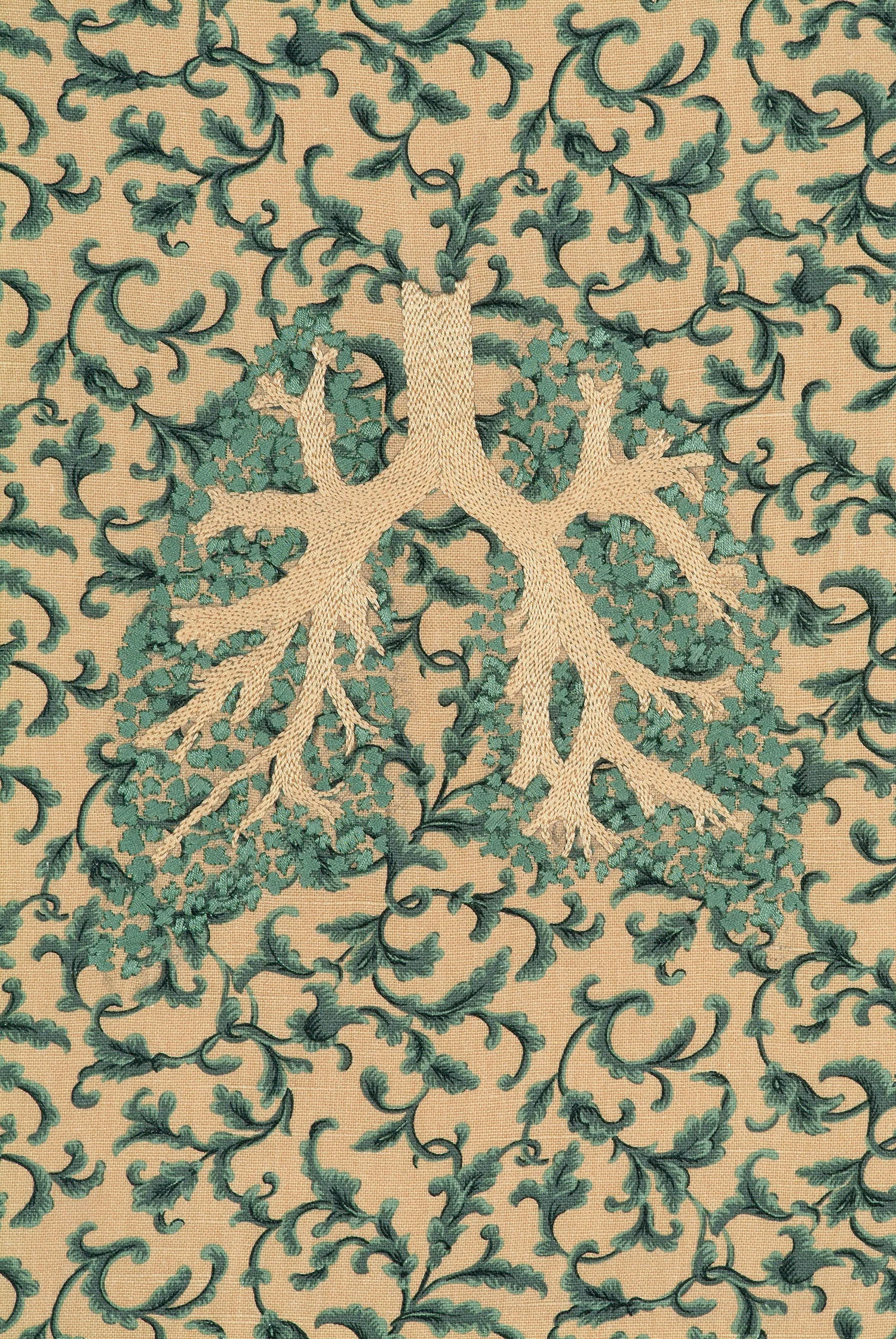
Botanical Study: Lungs, 2004. 45 x 45 cm, embroidered cotton on linen, steel frames
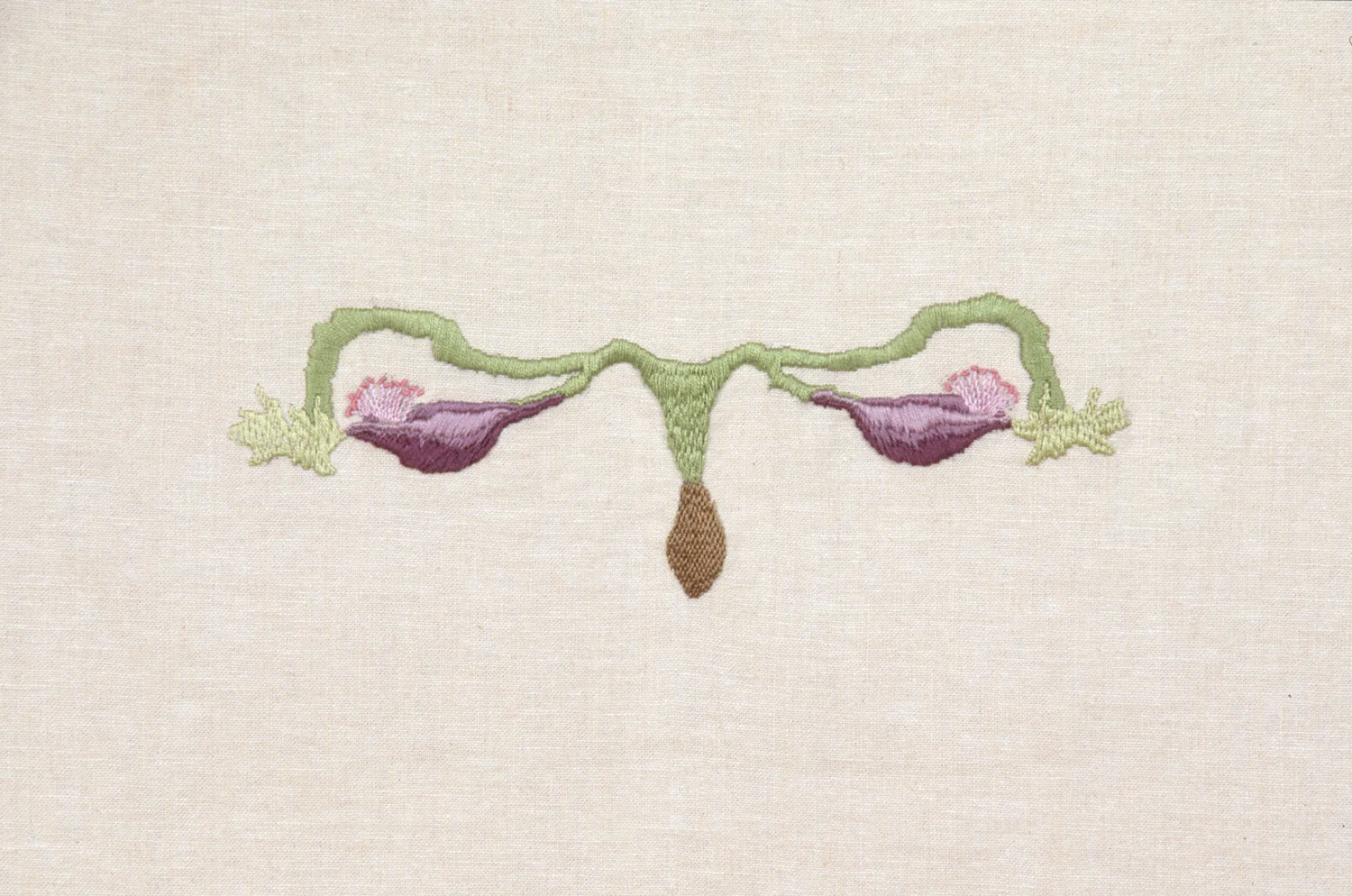
Botanical Study: Ovaries, 2004. 45 x 45 cm, embroidered cotton on linen, steel frame
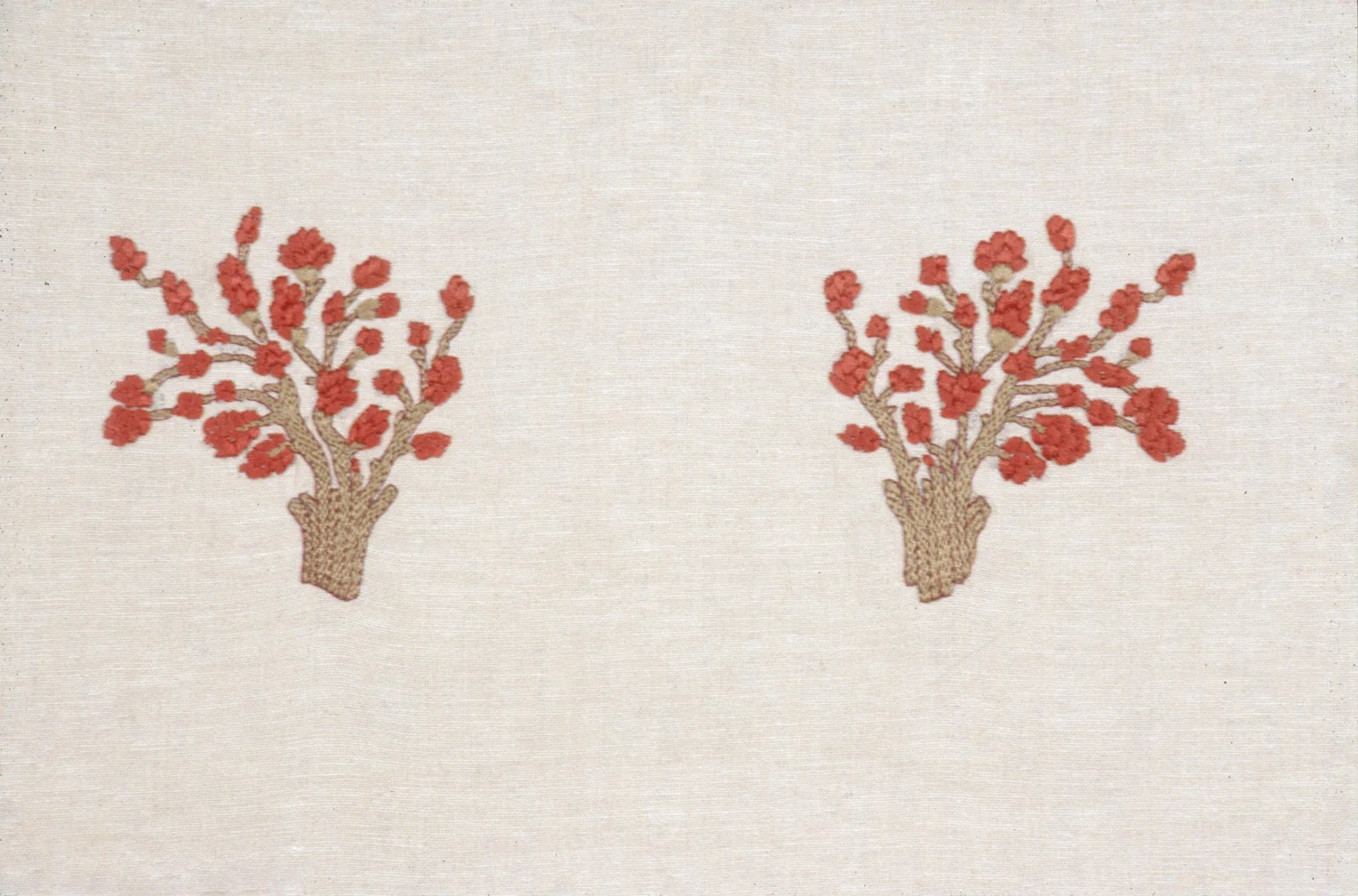
Botanical Study: Milk Ducts, 2004. 45 x 45 cm, embroidered cotton on linen, steel frames

Botanical Study: Pericardium, 2004. 45 x 45 cm, embroidered cotton on linen, steel frames

Botanical Study: Brain, 2004. Embroidered cotton on linen. Collection: Memory Disability Clinic, QEII Health Sciences Centre, Halifax, Nova Scotia


Botanical Study: Leaves, 2005. 100 x 75 cm, embroidered cotton on cotton.

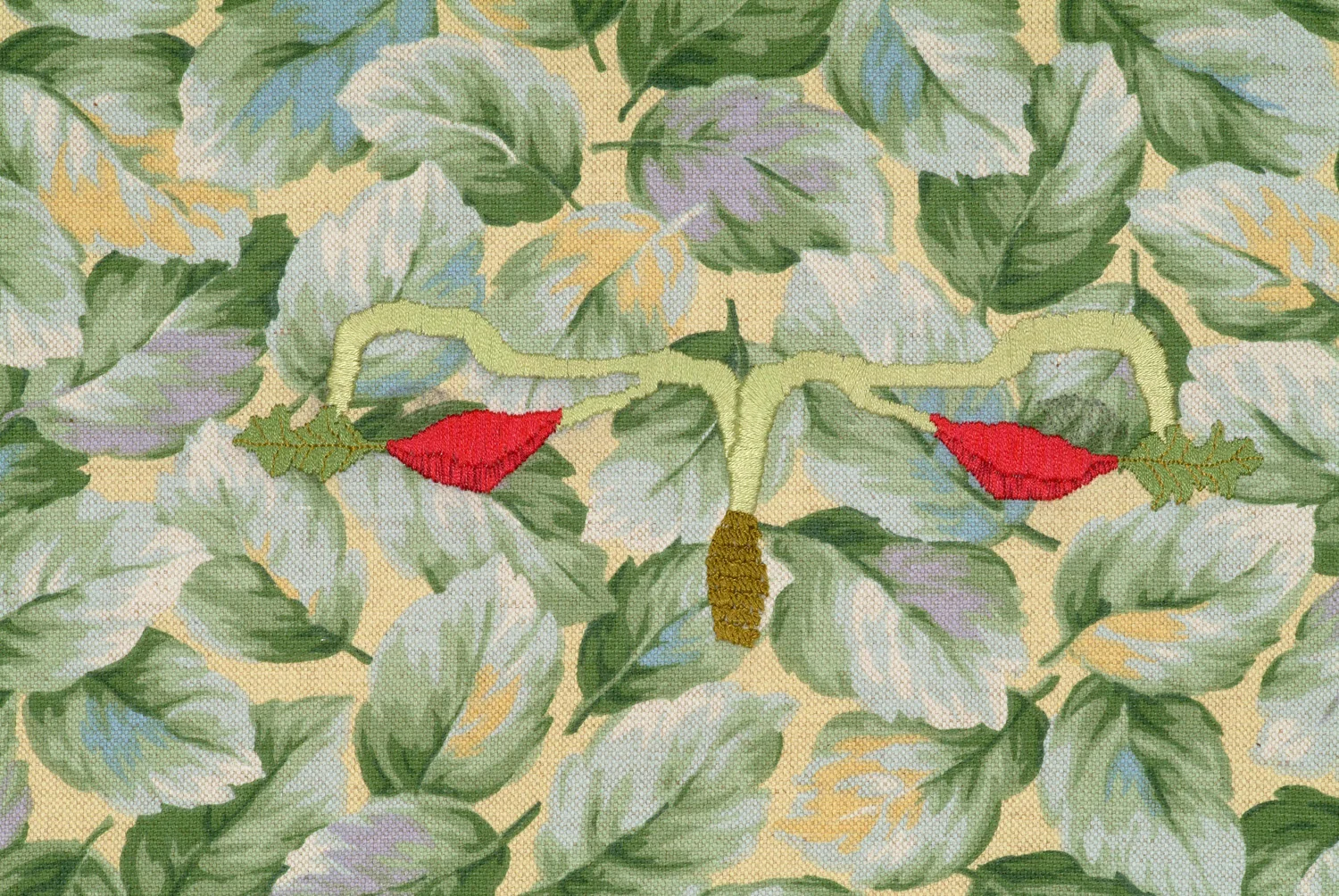

Botanical Study: Two Figures, 2005. 88 x 125 cm, embroidered cotton on cotton Collection: Canada Council Art Bank


Botanical Study: Three Figures, 2006. 70 X 125 cm, embroidered cotton on cotton.

My research for this suite of works explored the similarities of botanical forms to anatomical structures within the body. My source materials came from historical medical and anatomical drawings, engravings and wood-cuts that looked as much like plant forms as parts of the body. The forms of the lungs, milk ducts and ovaries are reminiscent of flowing plants; the pericardium hangs like ripe fruit and the brain looks like a cabbage or broccoli sliced in half. These images embroidered on linen reference the long history of women’s decorative botanical and floral embroidery.
The tiny stitches that make up the whole are much like the cell structure of both plant and human bodies. Cast in bronze and mounted on wooden armatures or antique furniture covered in patterned fabric, these same forms take on an unusual physical presence. The armatures become ‘the body’ with the bronzes mounted on the front, over patterned fabric that echoes the shape, form and colour of the sculptures. Themes of decoration, domesticity and a feminized body (as a garden, a place for nurturing and growth) are present in this work. The position of the bronzes on the armature, furniture or plinth questions the traditional relationship between object and base, of the one on top of the other.
Botanical Study: Lungs, 2004. 45 x 45 cm, embroidered cotton on linen, steel frames
Botanical Study: Ovaries, 2004. 45 x 45 cm, embroidered cotton on linen, steel frames
Botanical Study: Milk Ducts, 2004. 45 x 45 cm, embroidered cotton on linen, steel frames
Botanical Study: Pericardium, 2004. 45 x 45 cm, embroidered cotton on linen, steel frames
Botanical Study: Brain, 2004. Embroidered cotton on linen. Collection: Memory Disability Clinic, QEII Health Sciences Centre, Halifax, Nova Scotia
Botanical Study: Leaves, 2005. 100 x 75 cm, embroidered cotton on cotton.
Botanical Study: Two Figures, 2005. 88 x 125 cm, embroidered cotton on cotton Collection: Canada Council Art Bank.
Botanical Study: Three Figures, 2006. 70 X 125 cm, embroidered cotton on cotton.
Write here…